


-

Can save up to 1.5 tons of plastic waste per child
-

Supports coastal communities in plastic collection projects
-

Uses recycled materials and reduces the need for new plastic
-

Fairly produced with a traceable supply chain


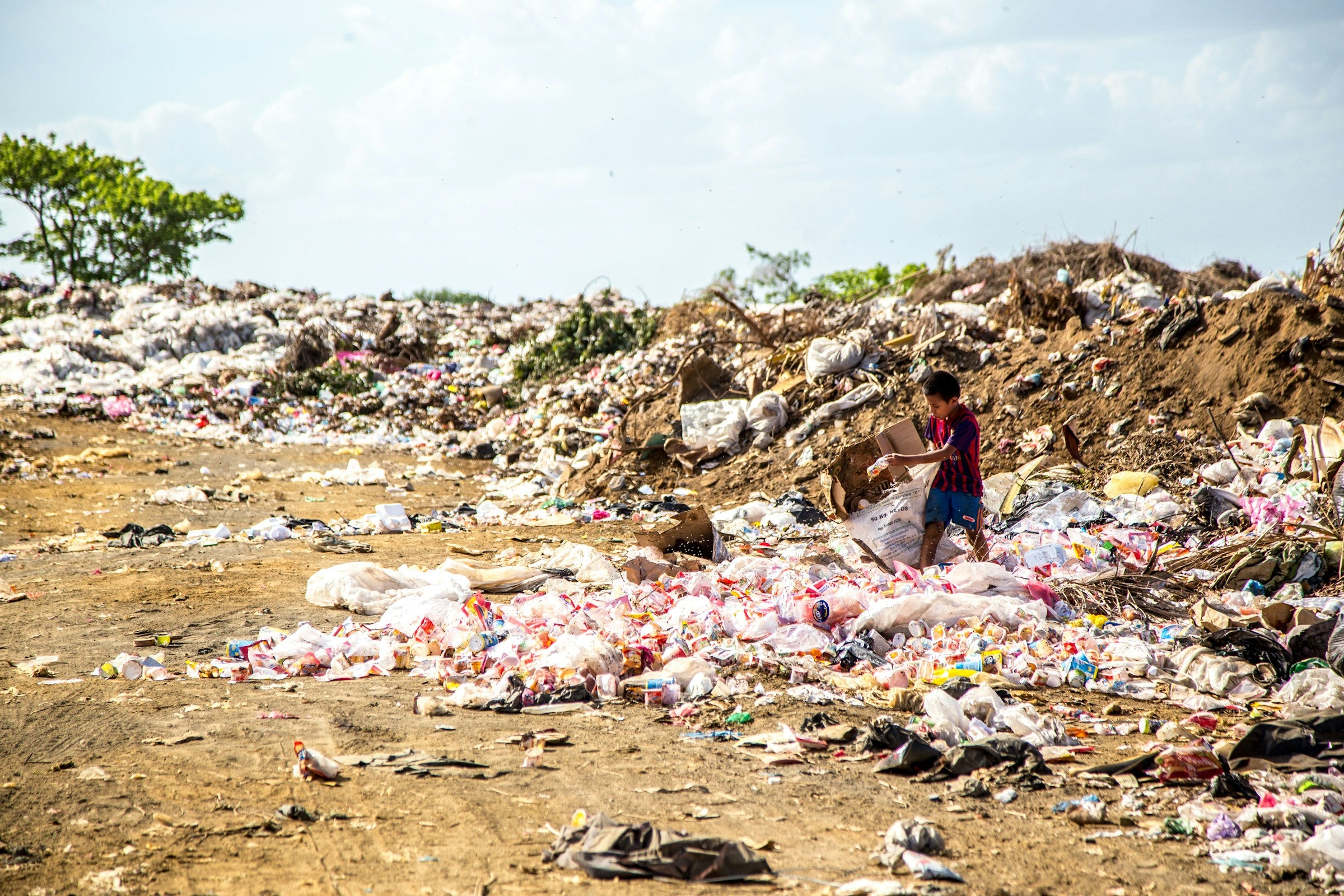
A disposable diaper takes 500 years to decompose in the environment.
Recycling is hardly possible. Furthermore, a large portion of our waste is exported to other countries , where it ends up polluting the environment and the world's oceans. The chemicals and microplastics it contains enter the food chain unfiltered.
A single baby needs an average of around 5,000 disposable diapers. That equates to about 1.5 tons of waste.
Applied to Germany, this results in approximately 185,000 tons of disposable diaper waste every year.
Globally, the amount is significantly larger. And because disposable diapers take several centuries to decompose, this mountain continues to grow steadily.
A dimension that is almost impossible to grasp.

With Lybbie, you use diapers just like disposable diapers, but without the waste and long-term environmental impact.
What makes disposable diapers so comfortable?
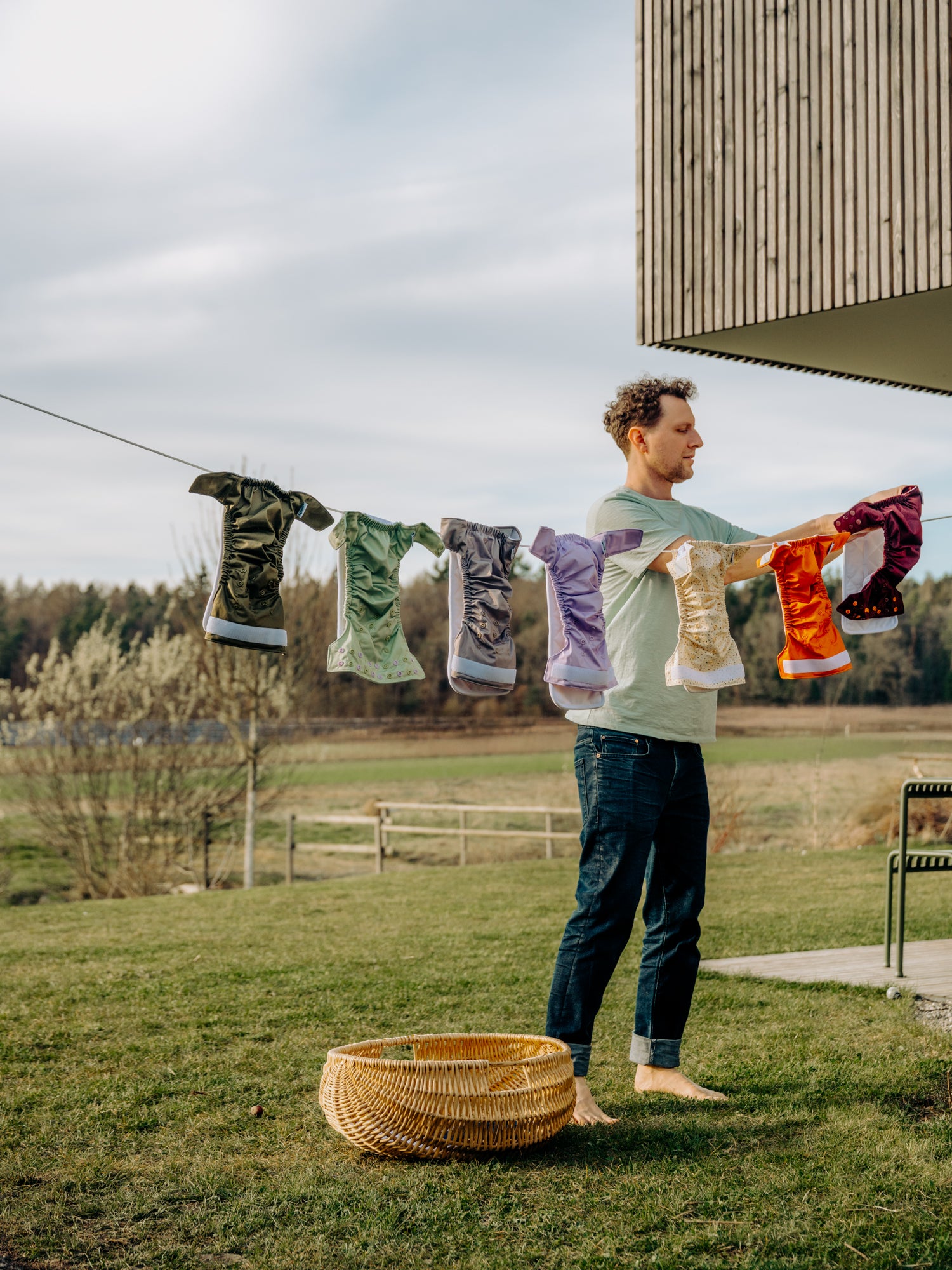
You don't have to fold, stuff, or assemble anything. The diaper is simply placed on the baby and fastened with Velcro. Lybbie is based on exactly this design.
And what about the additional effort involved in washing?
It's less wasteful because Lybbie consists of only one piece and you can easily wash it along with towels or washcloths. Plus, you save yourself the hassle of buying replacements and the regular trips to the trash.
Reducing waste isn't enough for us. We really want to make a difference.
-
We use recycled materials
There is already more than enough plastic. That's why we focus on recycled materials and thus reduce the need for new plastic.
-
We support coastal communities
Our donations to Plastic Bank provide financial support to coastal communities worldwide to collect plastic before it reaches the ocean. It's direct support for local people, without any white charity approaches.
-
Our diaper is incredibly simple
We know that a cloth diaper is only effective if it's as easy to use in everyday life as a disposable one. That's precisely why we spent two years developing Lybbie and improving it step by step until it's just as easy to handle.
Lybbie is the resource-saving and skin-friendly alternative
Our Libbie diapers
Disposable diapers
But what about...
...the shit?
It is simply disposed of in the trash can along with the toilet paper – a soft sheet that catches the stool.
Don't worry: Nothing that doesn't belong there will end up in your washing machine.
...all that laundry?
Lybbie consists of only one part and can simply be washed along with towels or washcloths – without any additional effort.
...the extra work?
With Lybbie, a lot of organization is eliminated: You don't have to buy diapers or constantly keep track of the right size. Simply put them in the washing machine after use and you're done.
...the expiry?
Our diapers reliably accompany you through everyday life: while shopping, driving, or at the playground. They are designed for longer intervals between diaper changes and offer excellent support thanks to their well-designed leak protection .
What other parents love about our diapers

Frequently asked questions from other parents
How many diapers do I need?
How do you wash the diapers?
What happens when the baby grows?
Why is there no one-size option?
Are Lybbie diapers hygienic?
Can I use Lybbie when I am out and about?
Lybbie was made by parents for parents
Lybbie was developed by parents who wanted to diaper sustainably, without complicated systems.
Today, Lybbie helps many families make conscious decisions without unnecessarily complicating their daily lives.
